Creating a Student Innovation Lab
Designing a student led innovation lab aimed at improving the post-secondary education system across the province of Ontario.
Client
eCampusOntario
Design Team
eCampusOntario
Project Type
HCD Training and Education, Strategy, System Design, Prototyping and Testing, Product Development
The Challenge:
Students have historically been excluded from meaningful participation in the design and operation of the higher education system that exists to serve them. This has resulted in decisions made by policymakers and administrators on campuses which have had severe impact on students’ learning experiences. eCampusOntario interested in exploring an effective way to change this and empower students. They wanted a solution which could engage students in more participatory and experiential learning, while also creating solutions which would improve the post-secondary education system from the student perspective.
The Outcome:
A Student Experience Design Lab (SXD Lab)which tackles some of the most complex problems facing post-secondary education today through a deliberate focus on student-led innovation. The lab hires students from across Ontario and trains them to use HCD to tackle complex problems. This includes helping them learn to conduct user research, design specific problems, generate and test ideas, and develop innovative solutions with institutions and industry.
The Approach:
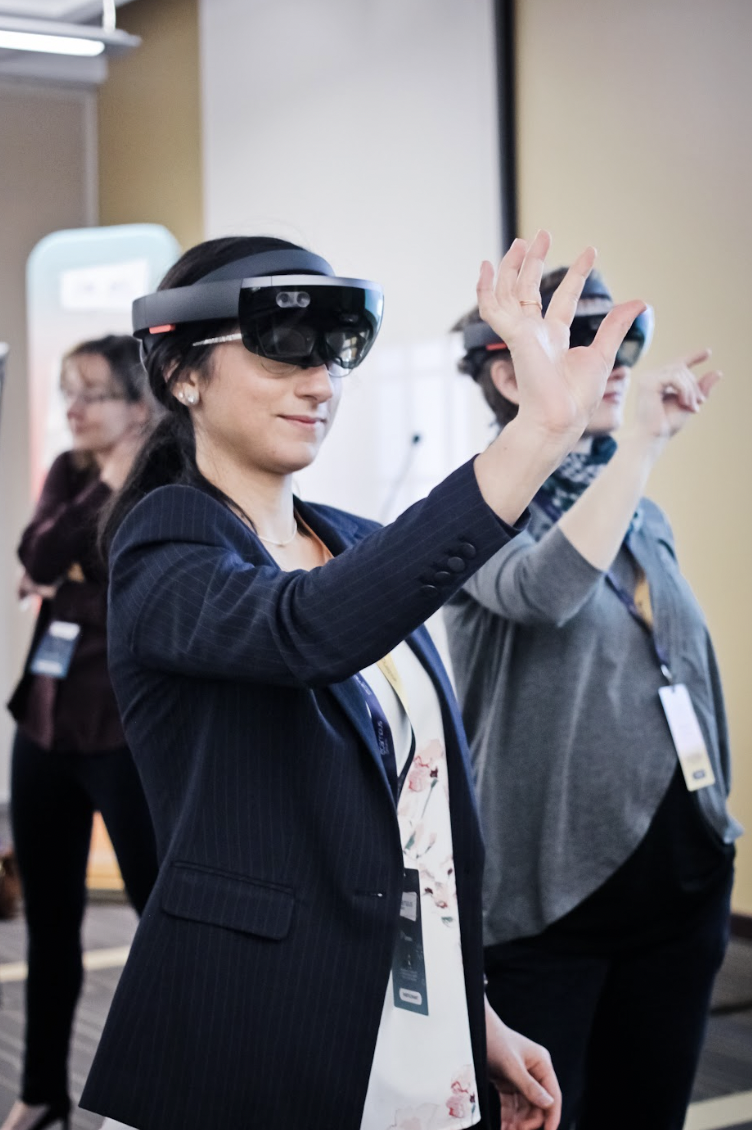
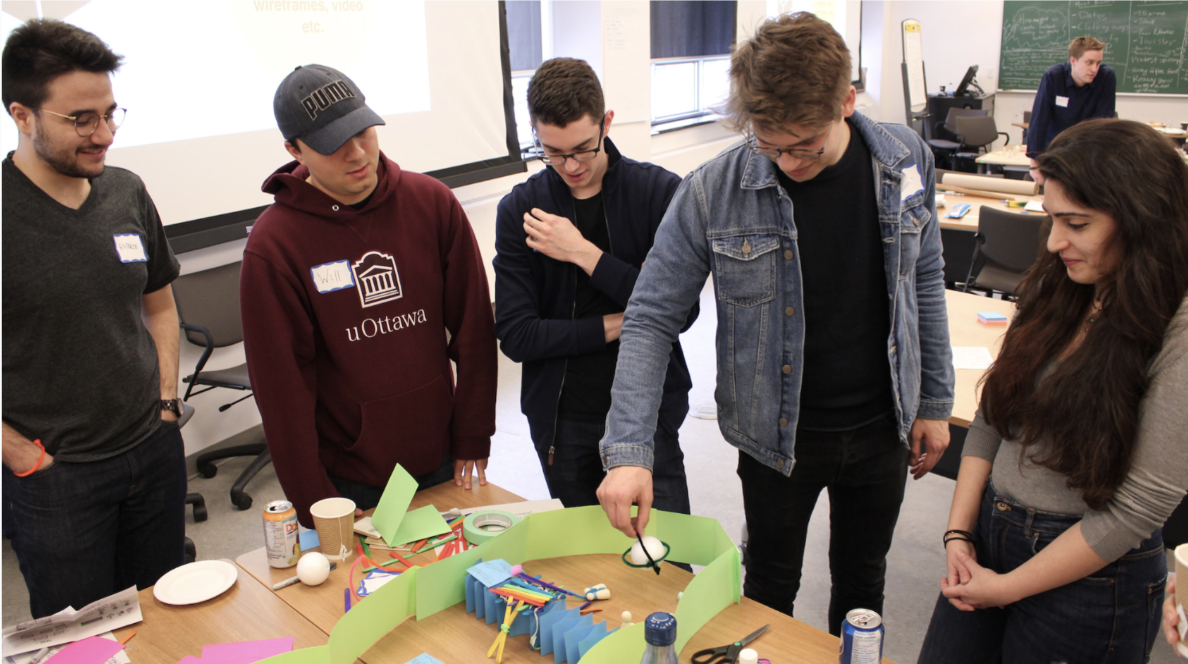
A series of co-design sessions was organized across Ontario with over a hundred participants. The sessions were organized as design sprints in which participants (including students, faculty and university/college administrators) worked together to design solutions for problems in the post-secondary education system that they had identified as a team.
Making of the Lab
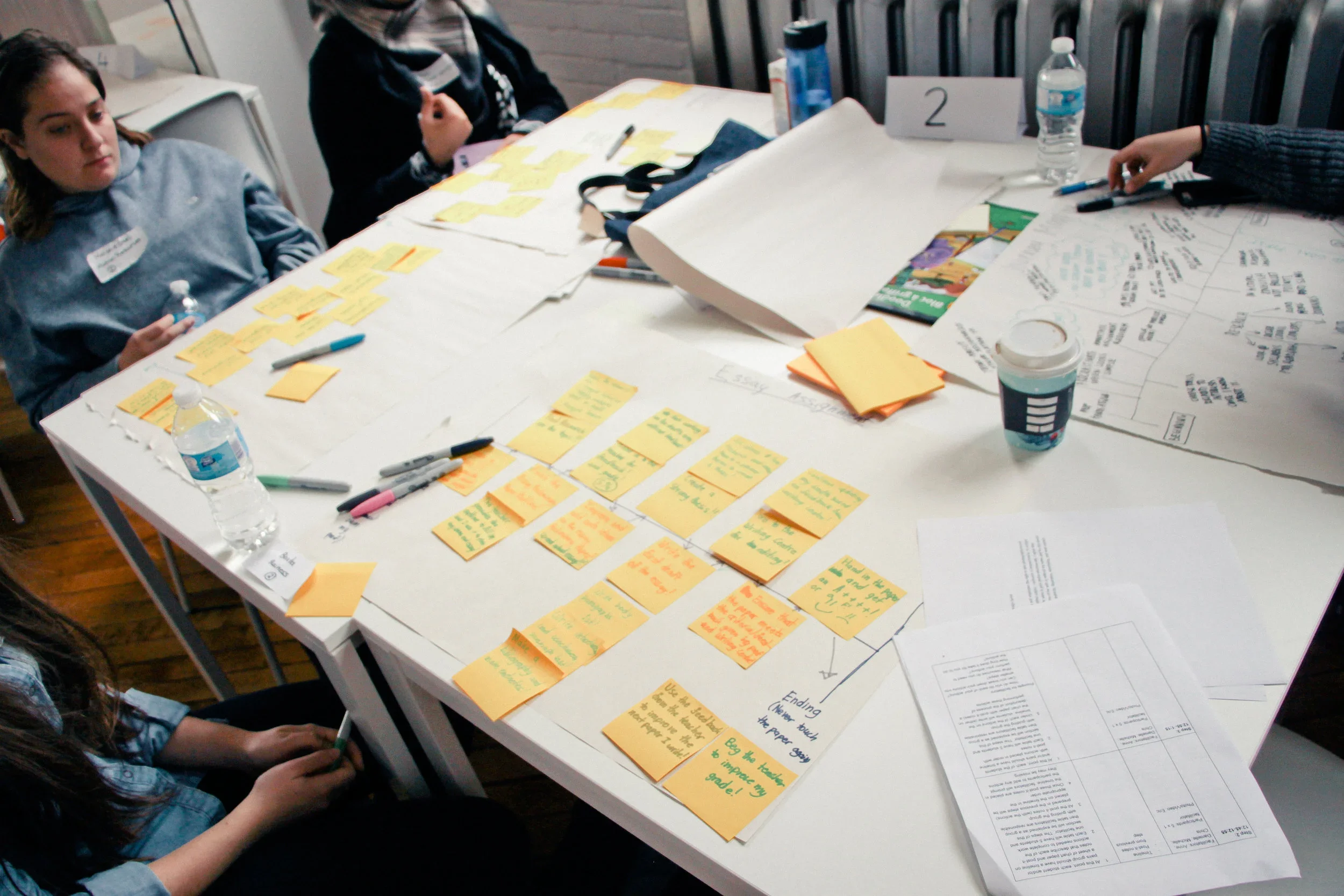
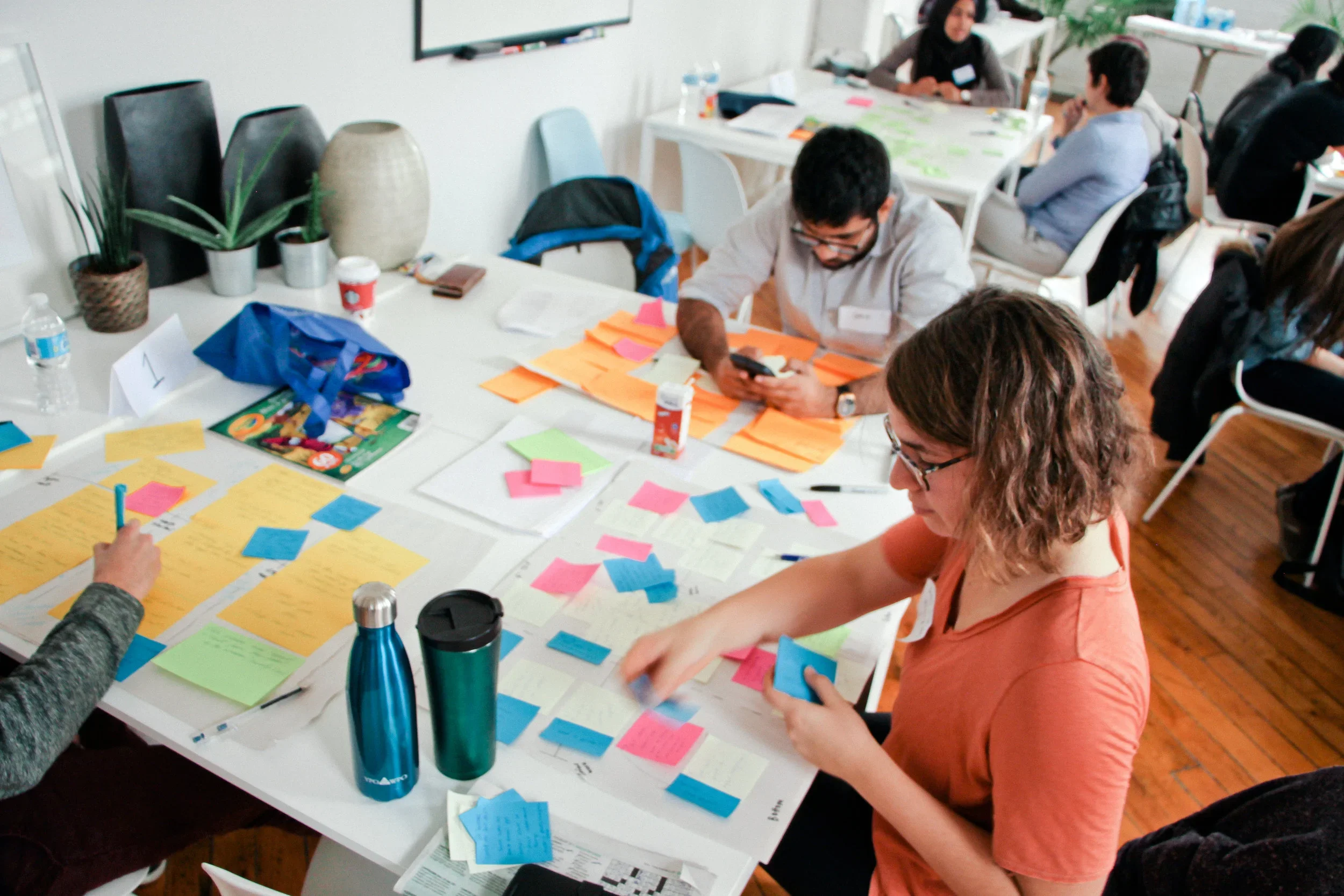

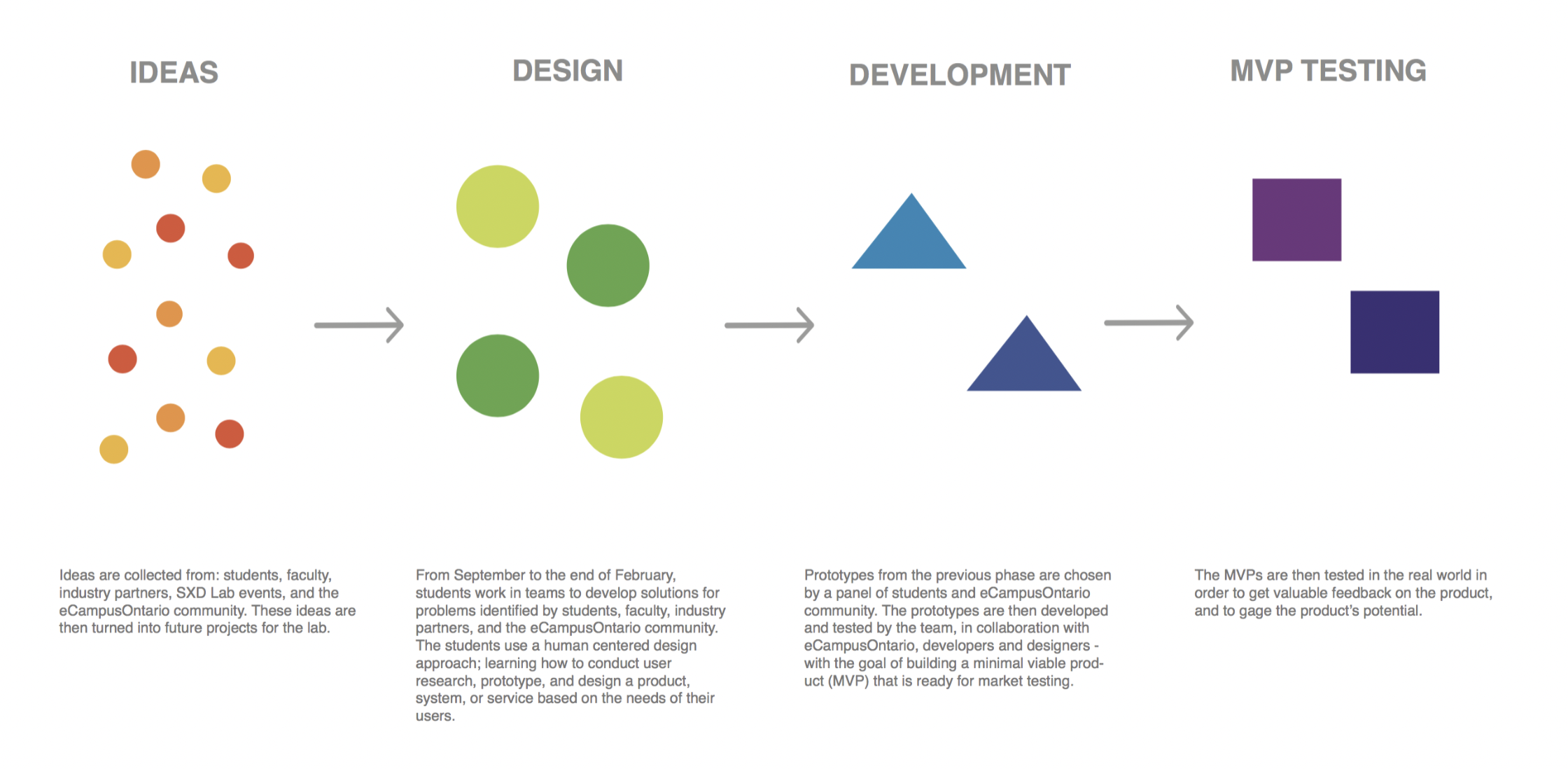
The philosophy of the lab is to learn by making and doing. This enables students to apply real-world design practices to enhance the post-secondary system and contribute to open innovation. Students work in small teams over the course of seven months to design systems, services, experiences and products that become openly-licensed and available for institutions and/or industry.
Students have tackled a range of complex problems including: removing barriers to learning for underrepresented students, helping students achieve a meaningful life, and using VR as a platform to encourage the co-creation of educational content between faculty and students. The students learned how to properly define their problems, designed user research sessions, prototyped and tested their ideas. Currently, over 11 projects have gone through the design phase and three projects are in the MVP development phase.
After the first year of the lab, we conducted exit interviews with all the students in order to uncover ways the Lab could improve. Additionally, as I work day to day with the student teams, I kept a journal of observations in order to offer valuable suggestions for the next iteration of the Lab. Some of the changes we made for the second cohort of student teams include:
More defined roles and deadlines for the student teams to ensure that expectations are met and students could be held more accountable
A new system for paying students was designed to ensure their time and effort was more accurately compensated
Additional students added to the teams (from three students to four) in order to balance the workload and account for attrition
More targeted recruitment was conducted to ensure more balanced and experienced teams
More opportunities for student teams to meet in person and work with me through more guided and facilitated workshops
When these changes were implemented for the second cohort of students there were several positive changes; most notably, students were able to hold each other more accountable and there was an increase in the quality of work being produced by the teams.
Impact
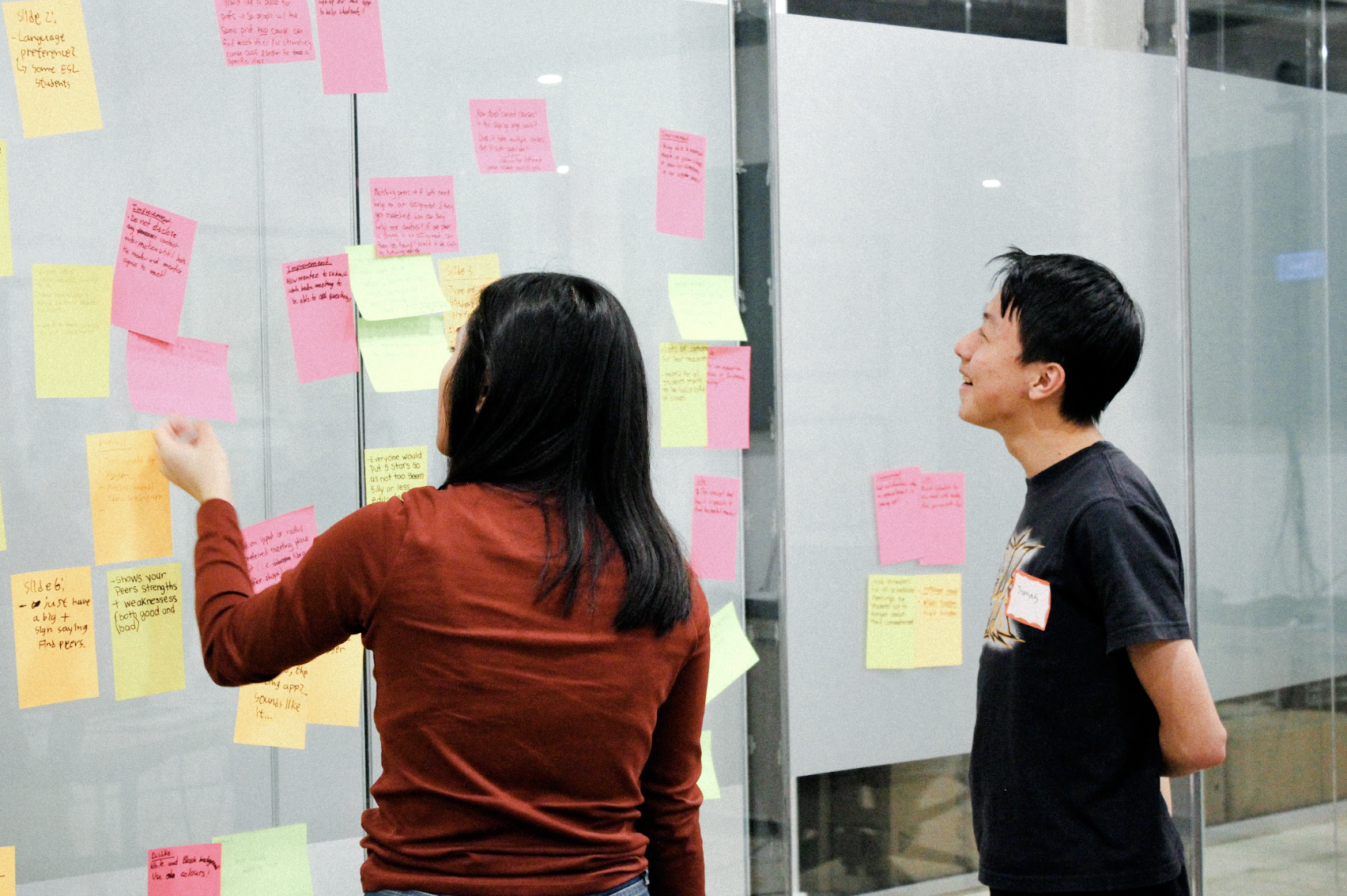
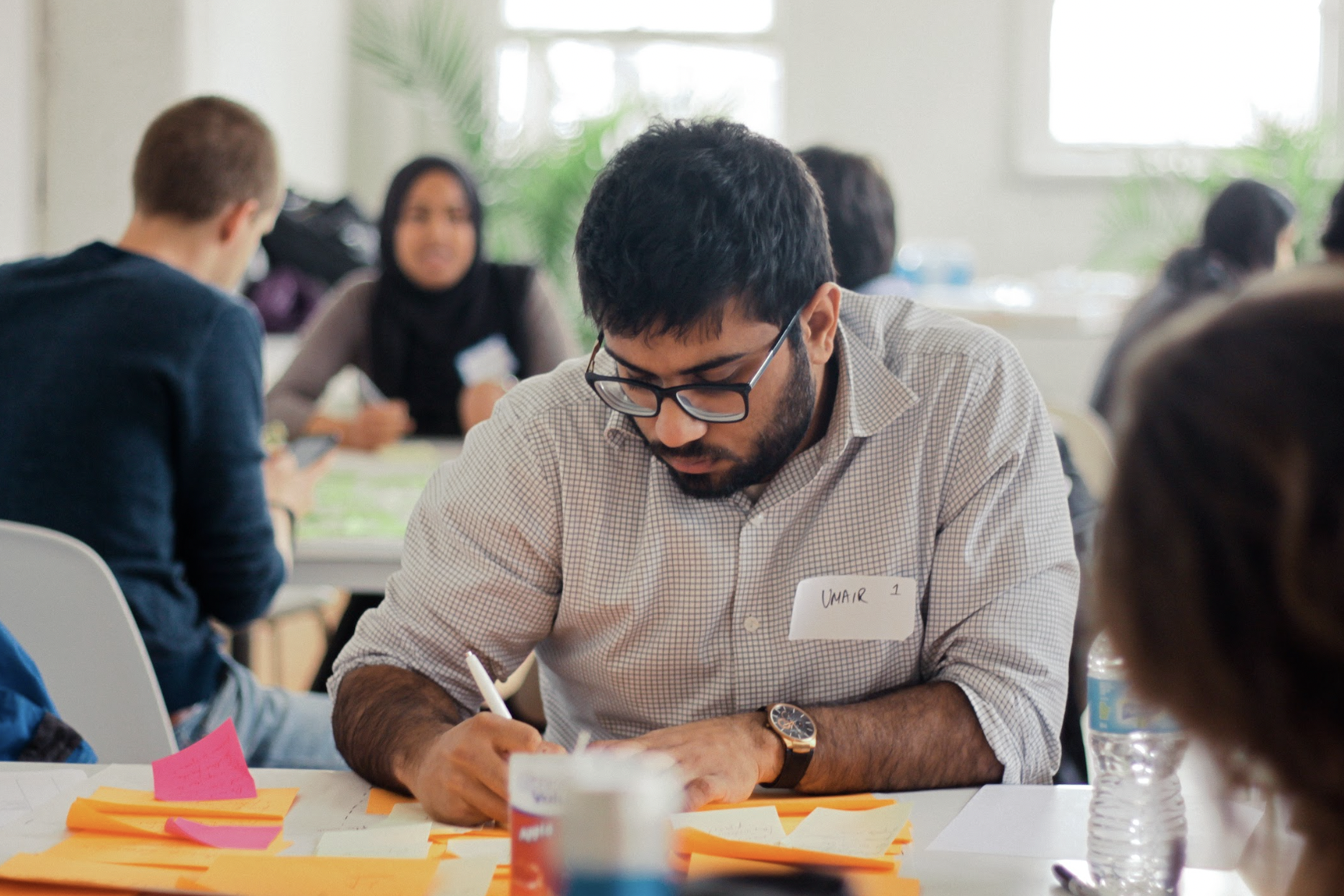
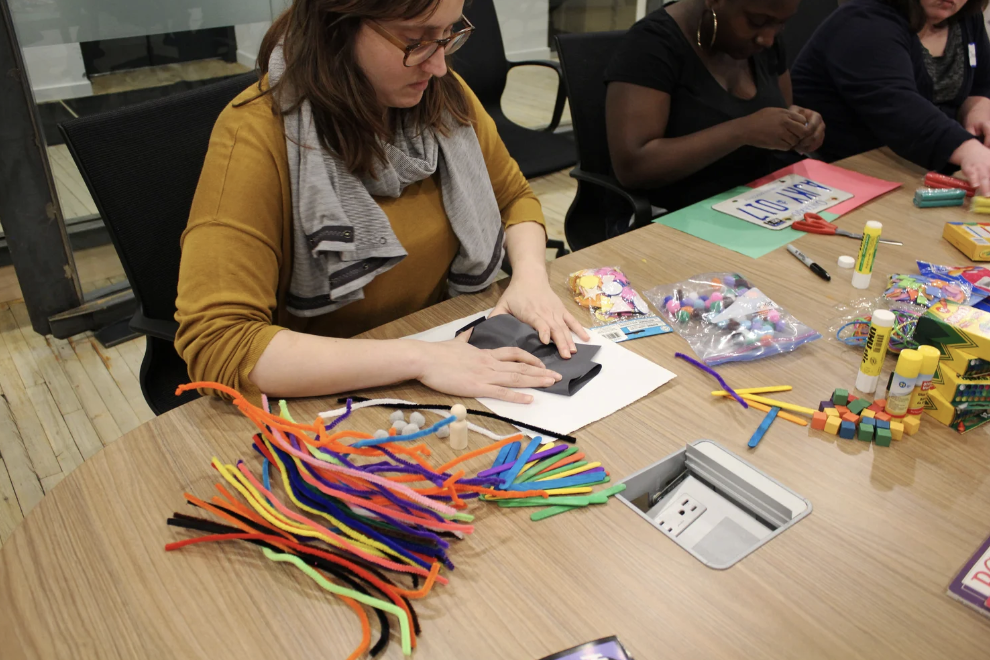
Since the The Lab had its first cohort in August 2017 it has received praise from faculty, administrators, and Ontario Government officials; many of whom are finally seeing the potential and talent of students. Several institutions and provincial government organizations (including, Ryerson University and ONCAT) have partnered with the Lab for two projects which are currently being tackled by students. These partnerships have opened the door for student-led innovation in Ontario, as more institutions and educators are looking to partner with the Lab on future projects.
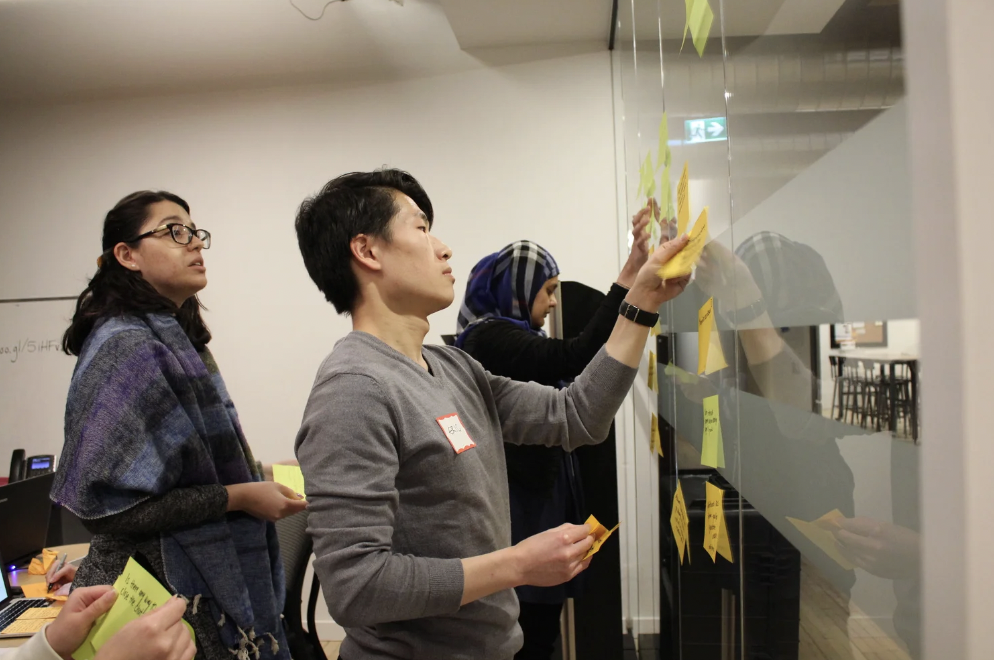
Although it remains the only student-led, education focused innovation lab in Canada, there are plans to review the SXD Lab’s scalability and overall structure so that the Lab’s model could be replicated elsewhere.